
Blog post produced and written by Clinic Manager and Sports Injury Specialist Jason Dodd.
According to NHS England there were 81,130 Total Hip Replacements (THR) in 2018/19 and 93,911 Total Knee Replacements (TKR)
A recent study completed in 2015 concluded that;
“Assuming rates of THR and TKR for 2010, and given projected population changes in age, gender and BMI, the number of THRs and TKRs performed in the UK in 2035 is estimated to be, respectively: 95,877 and 118,666. By comparison, an exponential extrapolation of historical rates using a log-linear model produces much higher estimates of THR and TKR counts in 2035 at 439,097 and 1,219,362 respectively. Projected counts were higher for women than men. Assuming a changing (rather than fixed) future BMI distribution increases TKRs by 2035 but not THRs.”
But surgery is just one stage of the recovery. Most of us would agree that surgery is often performed when someone is in pain. The idea of removing the ‘cause’ of the pain makes perfect sense but often patients think that this ‘removal’ will be the solution to the pain. A question I often ask is ‘but how do you think it got this way’? Whilst the answer to this question is never straight forwards as there are many reasons as to why it could have happened, what is key is to use all these ‘possible’ mechanisms and develop a plan to avoid something similar happening again in the future.
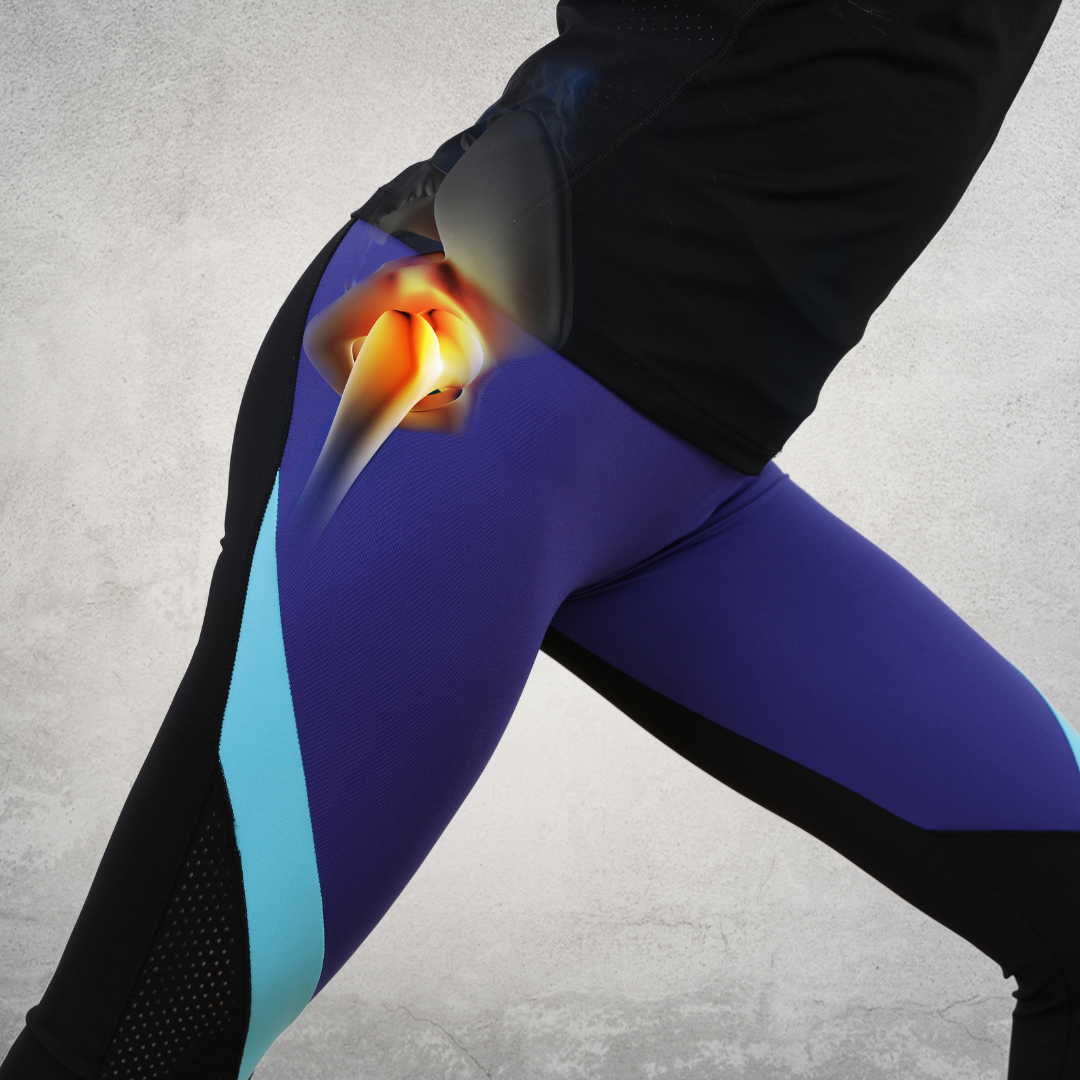
The change in the biological structure is one key element that happens after surgery. Take THR for example, a brand new ‘ball socket’ is placed on the top of the femur and this then articulates with the hip joint, creating a smooth movement.
This is where good rehab comes in though to start ensuring no further problems happen with the ‘new’ joint area…..or the un-operated side.
I often find many patients have had pain for such a long period of time that they are now used to not actually putting weight through the operated side due to the pain they have always felt. After the operation, the pain may be gone but the muscle weakness on this side remains the same. It is at this point that we must work to improve the strength in the operated leg as well as treat the other leg which has likely taken a large amount of force over the years.
This then leads to a very often forgotten part of the rehab and that is the confidence of the individual in their new operated joint area. After surgery, many patients are left with many questions, such as ‘how do I avoid wearing out this new joint’. This is where visiting an experienced therapist can help as they can help give the correct knowledge and information so you have all the facts needed to understand the strengths and limitations of your new joint. Often, many patients are surprised about how much they CAN do due to a high amount of misinformation that exists.
For example, patients are often told not to run after a hip operation, but are free to play golf. However, a study by …….. showed that the peak forces at the hip joint are higher in golf than those involved in running. It could be counter argued that the accumulative load is greater on the hip in running but this is relative to the individual. And this is my whole point here regarding good care. It should never be a case of just handing our generic information. All rehab plans and goals have to be set between the patient and their therapist to ensure they are realistic and achievable. For example, if you have never run before and have a hip replacement at 65 years old and decide you want to run a marathon then there may be many limiting factors to this. However, if you are an experienced runner who has completed multiple long distance events, then the possibility of running a marathon (or a half marathon at the least) should feel like a real possibility. It is all about knowing and understanding your patient, as well as having the knowledge to know how to progress an individual.
To conclude, knee surgery, hip surgery, or any surgery for that matter should not have you thinking instant results and no more work needed. If that is the approach you are going to take then there is a higher chance of unsuccessful outcomes later down the line. Finding a good balance between strengthening and recovery is where everyone should aim to be at. It is not easy, do not get me wrong. The pathway in rehab is not always linear, there are good days and bad days, but working alongside an experienced practitioner who knows how to manage and handle these cases is a good starting point.
Here at Bodylogics, we tailor everyone’s rehab programmes to their individual needs. We are highly training individuals who work closely with you to understand your needs and then put in place a programme to help you succeed. If you want to work with us for any injury you have, or any post-surgical advice/rehab then why not call us now to book in. We look forward to working with you soon and wish you a speedy recovery.