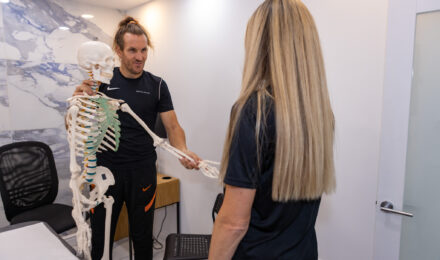
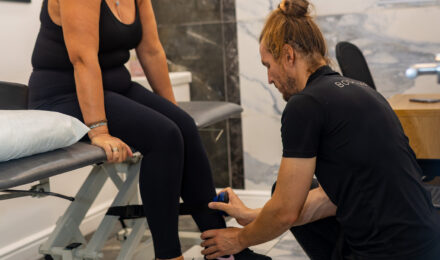
Jason Dodd, registered Physiotherapist at Bodylogics Health and Fitness Clinic. Jason is on hand to explain a common issue within young adolescents who experience knee pain.
What is Osgood Schlatter’s Disease?
Osgood Schlatter’s Disease is a term used to describe pain, in an area of growth just below the knee on the shin bone. It happens in active, young people who are going through a growth spurt.
Experience What’s Helped So Many Get Back on Their Feet.
Book your initial assessment with Bodylogics today. Within the 45 minutes initial assessment your experienced physiotherapist will be able assess the area of pain, symptoms and provide a rehabilitation plan for recovery.
What causes Osgood Schlatter’s Disease? The large quadriceps muscle on the front of the thigh pulls on the kneecap (patella) and the patellar tendon, to straighten the knee. The patellar tendon attaches to the front of the shin bone (tibial tuberosity). It is thought that repeated stress and strain in the area of this attachment can cause inflammation and pain. As this heals a hard bony bump may develop.
What are the symptoms of Osgood Schlatter’s Disease?
The most common symptoms are:
- Pain and swelling on the bony part at the top of the shin bone,under the knee
- A bony lump which is sore when touched or when you kneel
- Pain during sport at the front of the knee/tibial tuberosity
Symptoms usually appear around puberty (10-14 years) when you are having a growth spurt. Usually only one knee is painful but both can be affected. The diagnosis is often clear from the typical symptoms. No x-rays or scans are necessary.
Join those who have alleviated pain and symptoms through booking their physiotherapy appointment with Bodylogics
What is the treatment for Osgood Schlatter’s Disease?
A period of rest initially is recommended to allow the symptoms to settle. Managing your symptoms well may allow you to continue with some activities. Some things that may help are:
- The use of an ice pack when sore or just after activity (follow instructions on pack)
- Painkillers (as advised by your doctor)
- Reducing the amount of activity you do
- Stretches to loosen up your muscles so that they don’t pull so tightly on your bones (only do these when you are not in pain)
- Begin a graded, guided strengthening programme
The advice here is not designed as a replacement for professional medical advice from a trained clinician. It is here to help you to understand and decide which pathway of management is best suited to your needs.
Contact our friendly Patient Care support team to schedule in your first appointment: 020 8076 9582