
Blog post produced and written by Advanced Specialist MSK Physiotherapist Jason Dodd.
Frozen shoulder, or adhesive capsulitis, is a condition that causes pain and significant stiffness in the shoulder joint. Daily activities like reaching for a shelf or combing hair can become challenging or even impossible. The good news is that with the right approach—primarily self-care and guided exercises—most people recover and regain function. This evidence-backed blog post will explain what frozen shoulder is (including its stages), outline home-based therapies and exercises, discuss pain management, offer tips for maintaining daily function, and advise when to seek advanced care. The tone here is authoritative yet supportive: you’re not alone in this, and there are clear steps you can take toward recovery.
Understanding Frozen Shoulder and Its Stages
A hallmark of adhesive capsulitis is severely limited range of motion (you can’t move your shoulder much, and even a doctor trying to move it for you finds it stiff) accompanied by significant pain. Typically, frozen shoulder progresses through three stages:
- Freezing Stage (Painful Stage): In this initial phase, pain gradually increases in the shoulder, especially with movement. As weeks go by, the shoulder becomes stiffer and loses more range of motion. Simple motions like reaching behind your back or overhead start to feel impossible. This stage can last anywhere from about 6 weeks up to 9 months. Nighttime pain is often pronounced during the freezing phase, sometimes disturbing sleep.
- Frozen Stage (Adhesive Stage): During the frozen stage, pain may actually begin to improve or at least not worsen, but the stiffness remains severe. The shoulder is “frozen” in the sense that it’s very hard to move. You might find daily tasks extremely difficult due to the limited motion. Fastening zippers, dressing, or reaching for a seatbelt might require help or modifications. This stage generally lasts around 4 to 6 months (though it can be longer for some). You may notice you can sleep a bit better as the pain eases, but frustration grows as you cope with the immobility.
- Thawing Stage (Recovery Stage): In the final phase, the shoulder’s range of motion gradually begins to improve. The tight capsule and adhesions start to loosen. You’ll find you can reach a little higher or rotate a bit further as weeks pass. Daily activities slowly get easier. Pain continues to diminish. This thawing stage can last from about 6 months to 2 years. Eventually, most people achieve near-normal or fully normal shoulder function by the end of this stage, especially with proper rehabilitation. The entire cycle (all three stages) can span 1 to 3 years in total, but don’t be discouraged—with active management, you can significantly improve comfort and mobility along the way.
Throughout these stages, remember that frozen shoulder almost always improves over time. The body will, slowly but surely, resolve the tightness. Our goal in rehabilitation is to control pain, maintain as much movement as possible, and shorten the disability period if we can.
Home-Based Therapy and Professional Guidance
Home-based therapy means you will be doing gentle stretches and movements every day to help loosen the shoulder capsule. This consistent daily motion is crucial—improvements come gradually, and regular exercise helps prevent further stiffness. Many people find doing exercises at home convenient and empowering, since you can spread them throughout your day.
That said, periodic face-to-face appointments with healthcare professionals greatly complement home treatment. It’s wise to first see a doctor if you suspect a frozen shoulder, to confirm the diagnosis and ensure there isn’t another issue (like arthritis or a rotator cuff tear) masquerading as frozen shoulder. A physician may also address underlying contributors (for example, if you have diabetes, optimizing blood sugar control can help your shoulder recover faster).
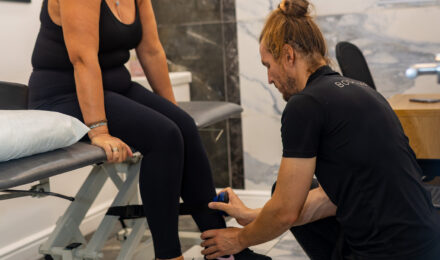
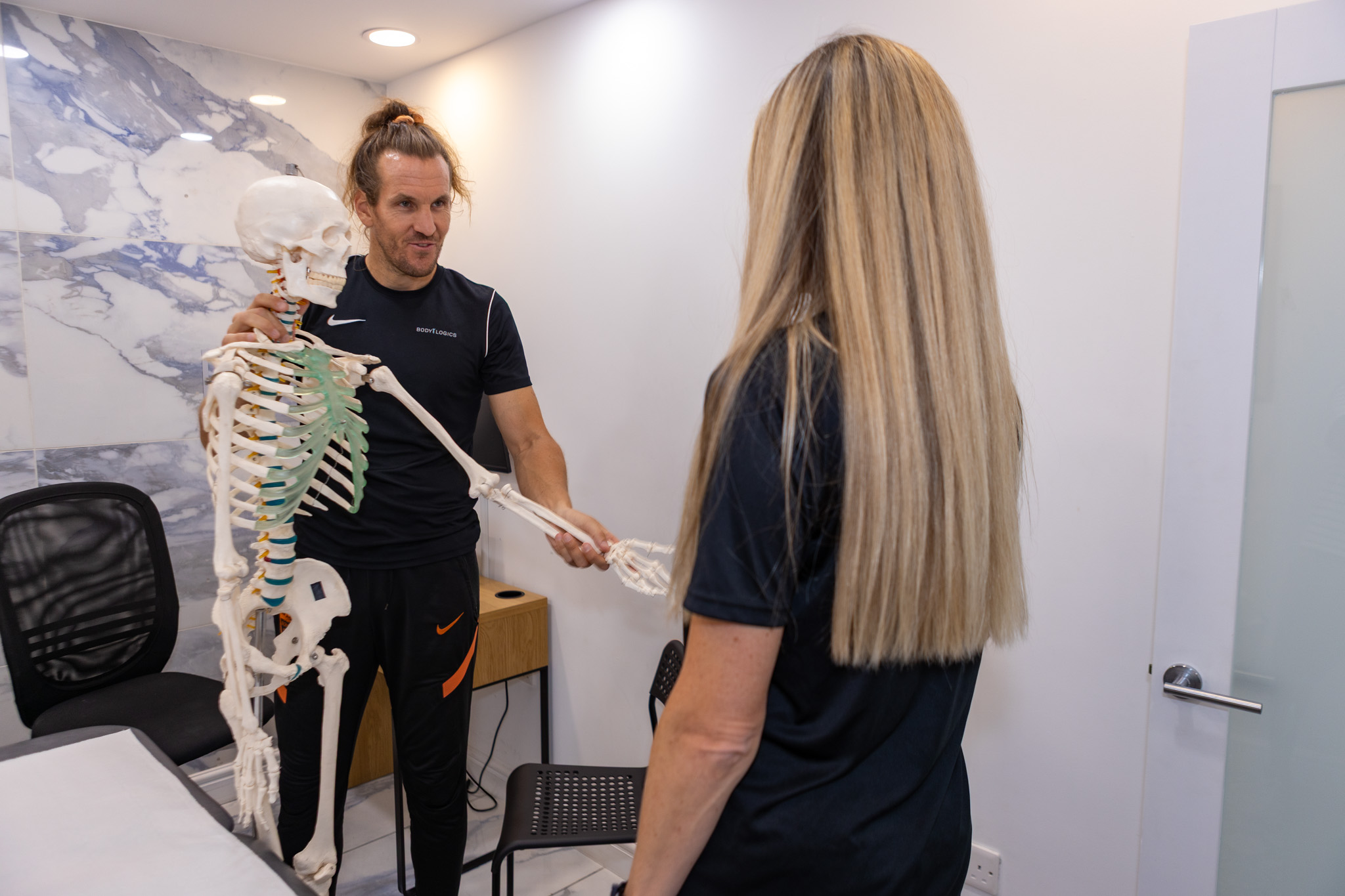
After diagnosis, working with a physiotherapist is highly beneficial. Early on, a physiotherapist can demonstrate the correct stretching techniques and determine how far you should safely push your movements. They will create a tailored exercise plan and make sure you use proper form to avoid injury. You might see a physiotherapist once every couple of weeks (or whatever schedule suits you) to check progress and advance the exercises as your mobility improves. These check-ins also provide motivation and ensure you’re on track.
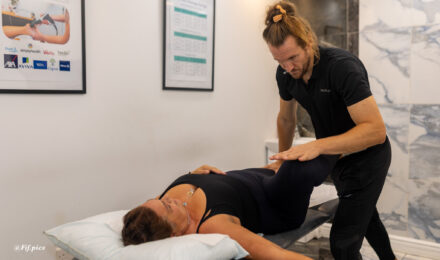
Additionally, a physiotherapist can apply treatments during visits that you can’t do alone at home. For example, a physiotherapist might gently mobilize the joint or stretch you further than you can by yourself. In some cases, a doctor may perform a corticosteroid injection into the shoulder joint to reduce inflammation and pain, allowing you to participate more comfortably in therapy. In a procedure called hydrodilatation, fluid is injected to expand the joint capsule – this is another option a specialist might offer if progress is stalled. These interventions, when needed, typically occur alongside your home exercise efforts.
In summary, think of it as a partnership: your daily work at home is the driving force of recovery, and the medical professionals provide guidance, fine-tuning, and occasional treatments to boost your progress. Most patients improve with this combined approach. In fact, orthopedic experts report that more than 90% of people with frozen shoulder see significant improvement and return to usual activities with consistent, nonsurgical management. Patience is key – you won’t regain motion overnight, but stick with it and you’ll steadily notice gains.
Simple Exercises to Do at Home
Always warm up your shoulder before exercise. Warm tissues stretch more easily. A great way to warm up is a warm shower or bath for 10-15 minutes, letting the water hit your shoulder. Alternatively, you can apply a warm heating pad or warm moist towel to the shoulder for several minutes. Heat helps increase blood flow and elasticity in the muscles and capsule. (Ice is generally used after exercise or for pain relief, but before exercise, heat is often more helpful to loosen up.)
Here are some effective home exercises for frozen shoulder that are commonly recommended:
- Pendulum Swing: This is a good starter exercise. Stand beside a table or chair and support yourself with your good arm. Let your affected arm hang down freely at your side. Gently sway your body so that the relaxed arm swings in small circles, like a pendulum. You can do circles about a foot in diameter, 10 times in each direction. This exercise uses gravity and momentum to gently mobilize the joint with minimal strain. As your shoulder loosens, you can make the circles a little bigger. Some people eventually add a light weight (1–2 kg or a soup can) in the dangling hand to increase the stretch slightly—but only do this when movements are easy and pain is much improved.
- Towel Stretch (Behind-the-Back Stretch): Take a long towel (or even a belt). Drape it over your good shoulder so one end hangs down your back. With your affected arm behind you, grab the lower end of the towel. With your good arm, pull the top end of the towel upward, gently bringing your affected arm up along your back. This creates a stretch in the stiff shoulder (you’ll feel it in the front of the shoulder and maybe the back). Hold for a few seconds, then slowly release. Repeat about 10 times. This exercise can help increase your ability to reach up behind your back (useful for things like tucking in a shirt or fastening a bra).
- Finger Walk (Wall Climb): Face a wall at about arm’s length. With your affected arm, reach out and touch the wall at about waist height with your fingertips. “Walk” your fingers up the wall, spider-like, as high as you comfortably can go, while keeping your shoulder as relaxed as possible. Your fingers do the work—don’t shrug your shoulder or strain, just let the arm rise as the fingers climb. When you reach the highest comfortable point (maybe shoulder level or higher over time), pause for a moment, then walk the fingers back down. Repeat this 10-20 times. Over days and weeks, you’ll likely notice your hand gets higher on the wall as your range improves.
- Cross-Body Arm Stretch: While standing or sitting, use your good arm to help stretch your affected arm. Gently bring the affected arm across your chest, supporting it at the elbow with your good hand. You should feel a stretch in the back of your shoulder. Hold the stretch for 15–30 seconds. Then relax and repeat a few times. This exercise helps with reaching across your body (adduction) and loosens the back part of the capsule.
- Armpit Stretch: This exercise uses a shelf or countertop. Stand facing the shelf (about chest height). Gently lift your affected arm with your good arm and rest the affected arm’s elbow on the shelf, so that your armpit is just above the edge. Now slowly bend your knees, allowing your armpit/shoulder to open up as you squat down a bit. You’ll feel a stretch in the shoulder as it gently flexes. Bend your knees a little more to increase the stretch (never bouncing, just a steady hold), then straighten up. Repeat this 10–15 times. Over time, try to bend a bit deeper as your shoulder permits. This helps improve overhead reach.
Perform these stretches once or twice daily (your therapist will guide you on frequency and reps, but often a couple of sessions a day are recommended). Consistency is more important than intensity. It’s better to do gentle stretches every day than to skip days and try to push too hard later. Expect incremental progress — maybe you gain a few more degrees of motion every week. Celebrate those small victories!
Note: In the early stages when pain is high, focus more on the gentle passive stretches (like pendulums and doorway-assisted stretches) rather than aggressive strengthening. As you enter the thawing stage and mobility increases, you can start to add light strengthening exercises. For example, using a elastic resistance band for outward rotation and inward rotation can help rebuild rotator cuff strength once your range of motion improves. However, do not rush into strengthening too soon. If you start heavy exercises while the shoulder is still very stiff, you may risk compensatory injuries or increased tightness. Always prioritise regaining flexibility first; strength will follow.
Managing Pain at Home
- Medication: Over-the-counter pain relievers can be used, but with caution. Nonsteroidal anti-inflammatory drugs (NSAIDs) like ibuprofen or naproxen can reduce pain and inflammation. Acetaminophen (paracetamol) is another option for pain relief. Always follow dosage instructions and consult your doctor if you need to use these medications for more than a few days in a row. Be aware that frozen shoulder pain can be stubborn; medication might take the edge off but often won’t eliminate pain completely. Do not exceed recommended doses — taking more painkillers than directed won’t speed up recovery and can cause serious side effects (stomach or liver issues, for example).
- Heat Therapy: As mentioned, applying heat is often very soothing for frozen shoulder. Use a warm compress or heating pad on your shoulder for about 15 minutes at a time, especially before exercise or in the morning when the shoulder feels extra stiff. Warm showers or baths are also excellent to relax the shoulder muscles. Heat improves blood flow and can reduce pain signals from tight tissues.
- Cold Therapy: Ice can be helpful particularly if your shoulder is achy after exercising or at the end of the day. Applying an ice pack (or a bag of frozen peas wrapped in a cloth) to the shoulder for 10-15 minutes can numb pain and reduce any inflammatory swelling. Some people prefer heat over cold for this condition (since stiffness is the main issue, warmth often feels better). You can experiment to see what provides you more relief, or even alternate heat and cold (for example, heat before activity, ice after).
- Gentle Massage and Circulation: Massaging the shoulder and the surrounding areas can alleviate pain. The pain of frozen shoulder often radiates to the upper arm, neck, or back due to muscle tension from lack of use. Gently rub or knead the muscles around your shoulder, or use a tennis ball against the wall to release tight spots in your upper back and shoulder blade area. This won’t cure the frozen joint capsule itself, but it can decrease secondary muscle soreness and improve your comfort. Some patients find using analgesic balms or creams (with menthol or capsaicin) provides a temporary soothing effect during massage.
- Night Time Comfort: Pain at night can be one of the worst parts of frozen shoulder. To improve sleep, adjust your sleeping position. Try not to lie on the affected shoulder. Instead, lie on your back or the opposite side. Place a pillow under the affected arm, supporting it from underneath the elbow to keep the arm slightly away from your body. This support can reduce the pulling pressure on the shoulder and make it more comfortable. You can also hug a pillow to your chest with the affected arm on top, which cushions the arm. If you tend to toss and turn, arrange pillows around you to discourage rolling onto the bad shoulder. Ensuring you get rest is important—pain often feels worse when you’re exhausted, and sleep helps healing.
- Pacing and Relaxation: Manage your activities to avoid severe pain flare-ups. It’s normal to have some increase in soreness after exercising or using the arm, but it should settle. If a particular activity causes sharp pain that lasts, try to modify or temporarily avoid it. Practice relaxation techniques (deep breathing, meditation) when pain spikes, as stress can amplify pain perception. Remember, this is a temporary phase and it will get better. Keeping a positive mindset and focusing on incremental progress can help you cope with discomfort.
Tips for Maintaining Daily Function Safely
- Keep Moving (Gently): Use your affected arm in day-to-day activities as much as you comfortably can. Total disuse can lead to even more stiffness. For example, continue to dress yourself, groom, cook, and so on—just do it slowly and within your limits. Gentle use is good for maintaining circulation and muscle tone. That said, avoid any extreme reaches or heavy lifting with that arm for now.
- Avoid High-Pain Movements: Identify the motions that really provoke pain (for many, this is reaching high overhead, quickly stretching out to the side, or reaching behind the back). Modify or avoid those. For instance, if reaching a high cupboard hurts, keep frequently used items on lower shelves for now, or use a step stool or your other arm to retrieve things. When getting dressed, slip your affected arm into clothing first, so you don’t have to contort it into a sleeve second. When putting on a seatbelt, you might use your good arm to grab the belt and then latch it with the affected side to minimize twisting the painful shoulder.
- Modify and Adapt: Use tools and tricks to make tasks easier. Wear front-opening shirts or jackets instead of pullovers that go over your head. Ladies, if fastening a back-closure bra is impossible, switch to a front-closure bra or fasten it in front then rotate it around. In the kitchen, use your unaffected arm more for tasks like lifting kettles or pans. It may take longer to do things single-handedly or with limited range, so give yourself extra time and don’t rush (rushing often leads to sudden painful movements).
- Ask for Help with Heavy or Awkward Tasks: This is the time to enlist family or friends for certain chores. Carrying heavy grocery bags, moving furniture, or any task that requires forceful use of your shoulder should be avoided. Swallow your pride and let someone assist, to prevent setbacks. Most people are happy to help when they know you’re dealing with a shoulder issue.
- Maintain Good Posture: Sometimes shoulder mobility is influenced by your overall posture. When sitting or standing, try not to hunch your shoulders forward. Keep your shoulder blades gently back and down. This can reduce strain on the shoulder joint and surrounding muscles. You might do a few shoulder blade squeezes during the day (pinch your shoulder blades together and hold for a few seconds) to activate those postural muscles—this can support your shoulder and possibly alleviate some discomfort.
- Stay Active Otherwise: Just because your shoulder is stiff doesn’t mean you should avoid all exercise. You can and should continue to exercise the rest of your body. Go for walks, do lower-body workouts, or gentle cardio that doesn’t jar the shoulder. Keeping up your overall fitness and blood circulation benefits healing and keeps your spirits up. Just be cautious with activities that could risk falling or jarring your shoulder; for example, you might pause high-impact sports or heavy upper-body gym workouts temporarily.
By implementing these strategies, you can manage daily life more easily and prevent accidents or injuries to your recovering shoulder. Remember, every time you move safely and avoid a painful jolt, you are protecting your progress.
When to Escalate Treatment (Knowing When You Need Extra Help)
- Severe or Worsening Pain: If your shoulder pain remains extremely high despite following home treatments, or if pain is preventing you from even doing gentle exercises or sleeping night after night, it’s time to talk to your healthcare provider. They might recommend a steroid injection to calm things down, or prescribe stronger pain medication for short-term use. Uncontrolled pain is not only miserable, it can halt your rehab progress, so don’t suffer in silence if nothing is helping.
- No Improvement Over Time: Generally, you should see small improvements in range of motion and function over the course of weeks and months with consistent exercise. If you have been diligently doing your home program for a couple of months and see absolutely no improvement (or things are getting worse), check back in with your doctor or physical therapist. Sometimes the rehab plan needs adjusting, or there may be another issue at play. Your provider might reevaluate the diagnosis or consider additional treatments like hydrodilatation (fluid injection to stretch the capsule) if progress has plateaued.
- Frozen Stage Plateaus: Many patients can accept some limitation during the frozen stage, but if you’ve been in the frozen stage for a very long time (say a year) with minimal thawing, you should consult an orthopedic specialist. They may consider interventions to “jump-start” the thawing. Procedures like manipulation under anesthesia (MUA) or arthroscopic capsular release are typically last resorts, but they exist for stubborn cases. In an MUA, you are put to sleep and the doctor carefully forces the shoulder to move, breaking up adhesions. In arthroscopic release, small instruments cut through the tight capsule. These procedures can dramatically increase motion in one go. Important: These are followed immediately by therapy; they are not magic cures but rather ways to enable more effective rehabilitation. They carry some risks, so they’re only done when necessary.
- Interference with Work or Vital Activities: If your frozen shoulder is significantly affecting your ability to work or take care of yourself (for example, if you absolutely cannot perform your job or need help with personal care due to the shoulder), discuss this with your doctor. In some cases, a more aggressive approach might be justified sooner rather than later to help you get back to essential activities. This could mean a referral to a specialist or a tailored multi-modal treatment plan (combining medications, injections, intensive therapy, etc.).
In all cases, it’s best to maintain open communication with your healthcare providers during your recovery. Let them know how you’re doing. Most of the time, conservative measures will eventually resolve the issue, but they can guide you on the timeline and when it’s appropriate to take additional steps. Do not hesitate to reach out if you are concerned or if your shoulder’s condition is causing new problems (for instance, if you suddenly lose feeling or have weakness in your arm or hand, which is not typical for simple frozen shoulder – that would need immediate medical evaluation).
Moving Forward: Patience and Persistence
Celebrate small wins: a little extra reach in your stretch, a better night’s sleep than last week, or being able to do something today that you couldn’t do last month. These signs mean you are healing. Surround yourself with support—let family and friends know what you’re going through, so they can assist and encourage you.
In summary, frozen shoulder rehabilitation centers on consistent home-based exercises to restore mobility, smart pain management to keep you moving, adaptations to stay functional in daily life, and professional guidance when needed. Combine these, and you have a powerful strategy to “thaw” a frozen shoulder. It may take time, but with determination and the right care, you will get your shoulder moving again. Stay hopeful and keep taking it one day (and one gentle stretch) at a time. Your shoulder will thank you in the long run, and you’ll be back to your normal activities with newfound appreciation for painless movement. Good luck on your road to recovery!