Blog post produced and written by Strength and Conditioning Coach and Injury Specialist Monika Smiechowska. I’m injured – should I continue training?
This is a question I get a lot, particularly from my athletes and more active patients.
Training is a part of their routine and an injury is a huge disruption to it. They’re often worried about having to start all over again or going back to square one.
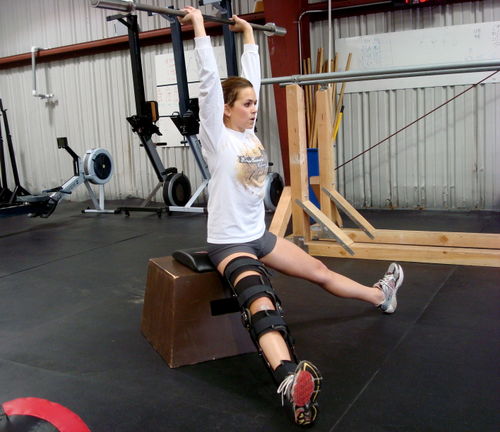
My answer to that question tends to be… getting injured doesn’t mean training stops! There is always a part of your body that you can train, it may not be the injured part straight away, but we’ll find another way. After the initial rest period, progressive loading and rehabilitation program is essential for returning from injury.
Training can be adapted to your ability!
Sport specific training may be a little tricky, depending on the injury. However cardiovascular fitness can be maintained in various different ways. If you have sustained a lower body injury, there are other form of exercises that will get your heart rate going and won’t affect your injury, including an arm bike or ski rower.
Single leg/arm strength is also a great way of not neglecting the uninjured limb. If you’ve injured your arm, why not try single arm dumbbell rows or press. Likewise, if it is a lower limb injury, why not squat, deadlift or thrust unilaterally? The options are endless!
Maintaining a good training schedule is key!
Maintaining a good training schedule will also positively affect the patient’s motivation when it comes to performing rehabilitation exercises, which at times may feel a little monotone and boring, particularly when they’re used to high impact sports.
Understandably, people often find returning to training overwhelming and scary – and it definitely can be that if you don’t have the appropriate guidance and structure. Here at Bodylogics our multidisciplinary team has vast experience in many different sporting environments and can provide you with the best structure and guidance for your rehabilitation.