
Blog post produced and written by Advanced Specialist MSK Physiotherapist Jason Dodd.
At Bodylogics, we don’t just talk about high standards — we set them.
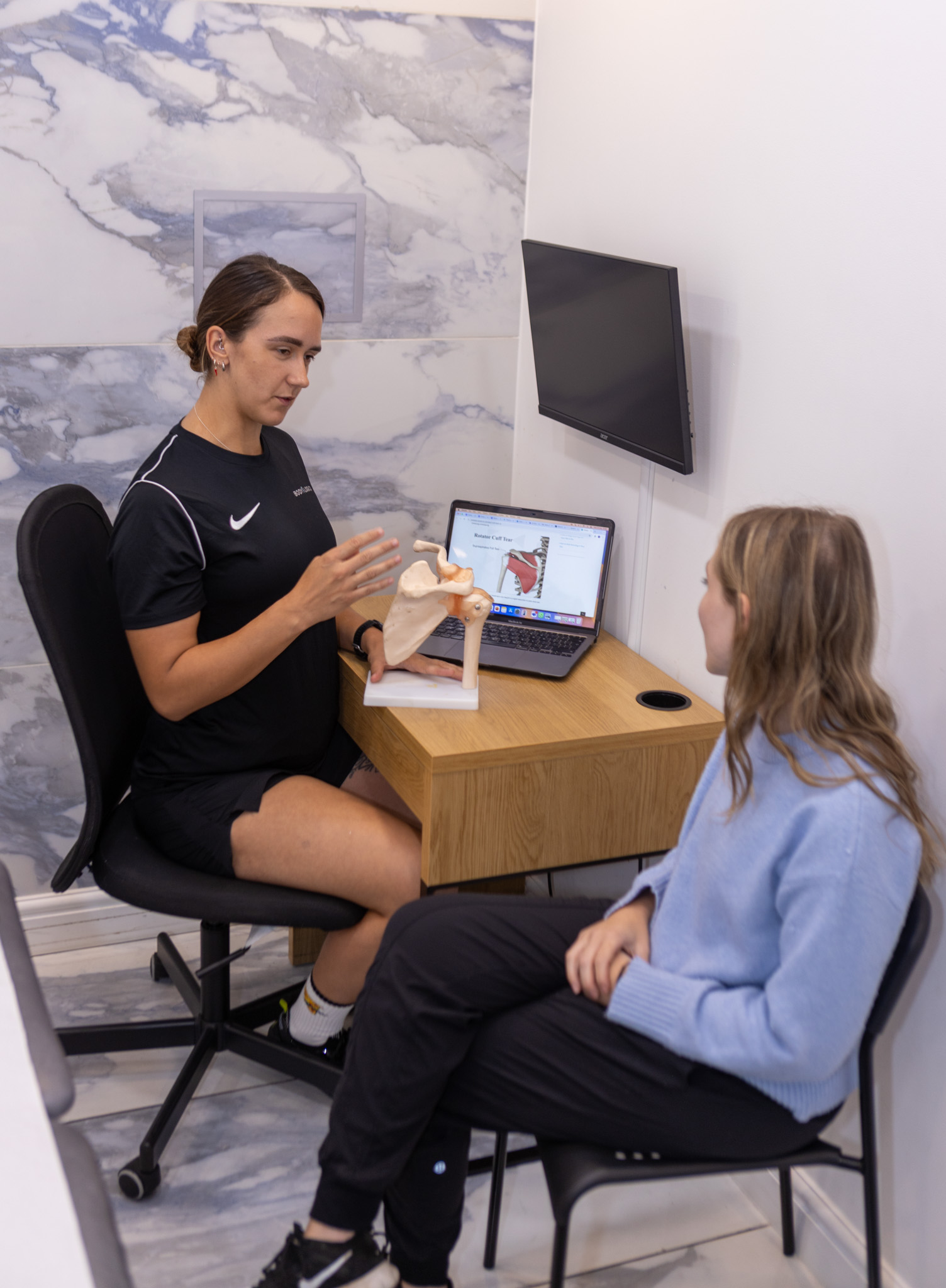
Shoulder pain is one of the most common musculoskeletal complaints seen in clinics. It can stem from injuries, postural issues, muscle imbalance, or degenerative conditions. Two of the most popular treatment options are massage therapy and physiotherapy. Both aim to reduce pain and improve function, but they take very different approaches. So, which one works best – or is the answer a combination of the two?
Why is it relevant?
Patient story: finding the right balance
How we approached the treatment
Over the first two weeks, the massage allowed the patient to feel more comfortable and confident moving the shoulder. Physiotherapy then took over as the key intervention, with exercises designed to restore range of motion (ROM) and build strength in the rotator cuff muscles.
The rehabilitation journey
As their pain eased and confidence grew, we moved into the performance phase, introducing more advanced strengthening, resistance training, and functional movements tailored to their lifestyle and work demands. This stage was essential to ensure the shoulder was not just pain-free, but also strong, stable, and capable of handling daily activities and sports without setbacks.
Even after recovery, we continue with regular follow-up sessions. These provide an opportunity to check progress, fine-tune exercises, and address any early signs of overload. This proactive approach helps the patient stay injury-free and reduces the likelihood of the pain returning.
The outcome
What does the research say?
Conclusion
The takeaway? There is no one-size-fits-all solution. For most patients, a combined approach is the most effective way to relieve pain, restore function, and prevent future issues. If you’re experiencing persistent shoulder pain, seek professional guidance to create a plan that works for your individual needs.
References
- van den Dolder, P. A., & Roberts, D. L. (2003). A trial into the effectiveness of soft tissue massage in the treatment of shoulder pain. Australian Journal of Physiotherapy, 49(3), 183–188.
- Steuri, R., Sattelmayer, M., Elsig, S., Kolly, C., Baschung, P., Vavken, P., … Hilfiker, R. (2017). Effectiveness of conservative interventions including exercise, manual therapy and medical management in adults with shoulder impingement: a systematic review and meta-analysis of RCTs. British Journal of Sports Medicine, 51(18), 1340–1347.
- Côté, P., Wong, J. J., Sutton, D., Shearer, H. M., Mior, S., Randhawa, K., … Ameis, A. (2016). Management of neck pain and associated disorders: a clinical practice guideline from the Ontario Protocol for Traffic Injury Management (OPTIMa) Collaboration. European Spine Journal, 25(7), 2000–2022. (Includes evidence relating to manual therapy and exercise in upper body conditions).
References
- van den Dolder, P. A., & Roberts, D. L. (2003). A trial into the effectiveness of soft tissue massage in the treatment of shoulder pain. Australian Journal of Physiotherapy, 49(3), 183–188.
- Steuri, R., Sattelmayer, M., Elsig, S., Kolly, C., Baschung, P., Vavken, P., … Hilfiker, R. (2017). Effectiveness of conservative interventions including exercise, manual therapy and medical management in adults with shoulder impingement: a systematic review and meta-analysis of RCTs. British Journal of Sports Medicine, 51(18), 1340–1347.
- Côté, P., Wong, J. J., Sutton, D., Shearer, H. M., Mior, S., Randhawa, K., … Ameis, A. (2016). Management of neck pain and associated disorders: a clinical practice guideline from the Ontario Protocol for Traffic Injury Management (OPTIMa) Collaboration. European Spine Journal, 25(7), 2000–2022. (Includes evidence relating to manual therapy and exercise in upper body conditions).