Blog post produced and written by HCPC Registered Physiotherapist Lewis Crouch, member of our Barnet Sports Therapy/Physiotherapy Team.
‘’Feeling stiff? stretch it!’’….
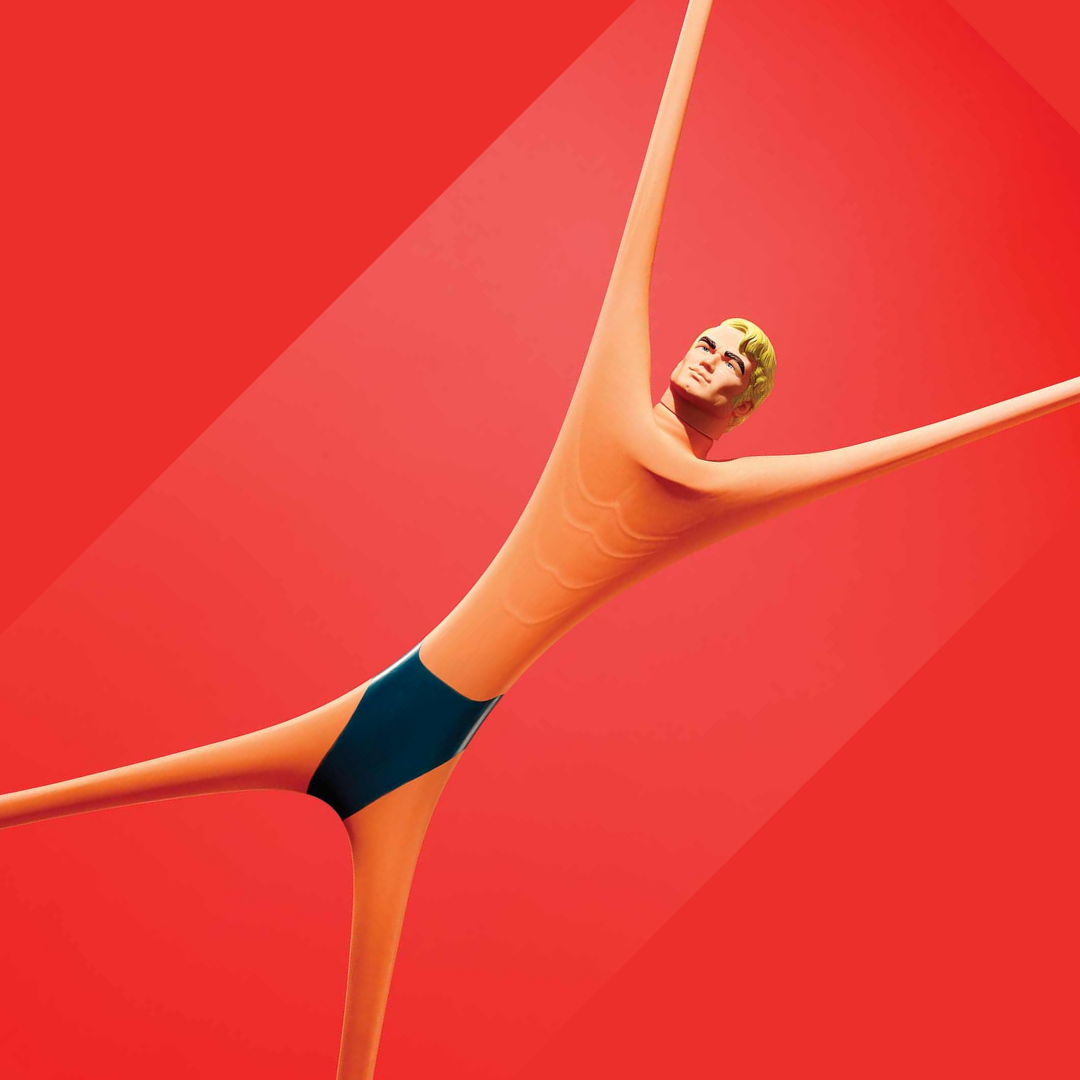
I think most people would have been told this exact statement or something along these lines in their lifetime. Fifteen or twenty years ago, static stretching was used as an intervention to ‘lengthen your muscles’, but research in the past five years has exposed the TRUE effects that static stretching has on an individual.
The truth is, we get a feeling of relief when we stretch however, it is important to note that feelings of stiffness are just a sensation and we may not be achieving our perceived goal when we stretch statically.
Don’t get me wrong, there can be a true physiological tightness in a muscle when it spasms or with nerve related issues, but most of the time feelings of stiffness are a perceptual construct our nervous system forms to protect our bodies. A feeling of tightness or stiffness can be an important predictor of disability, but the assumption that stiffness reflects having true physiological muscle tightness cannot be made. Evidence has shown that feelings of stiffness relate poorly to biomechanical measures of stiffness (Stanton, et al., 2017).
It is true that after stretching statically, our range of movement can be improved, but this is mainly due to adaptations in our nervous systems as opposed to changes in muscle/tendinous structures. Konrad, et al., (2014) found that when participants took part in a 6-week static stretching programme there were no structural length changes in the muscle. This along with many other research studies highlights that if our goal is to biomechanically lengthen a muscle, we can all be doing much better. Moreover, static stretching has been shown to reduce muscle strength and power. For example, Fowles et al., (2000) examined the acute effects of static stretching of the ankle plantar flexors (calf; gastrocnemius, soleus, tibialis posterior, plantaris) on muscle strength in young men and women and found significant differences in maximal contraction. Behm & Kibele et al., (2007) also found that static stretching acutely reduced jump height performance in physically active university students. There are better exercise interventions that can be used to reduce ‘tightness/stiffness’ and improve performance, such as……..
ECCENTRIC STRENGTHENING.
This term refers to a form of strength training with the muscle under tension while it is lengthening or at its longest length. This type of training promotes a process called sarcomereogenesis which promotes muscle growth (O’Sullivan, et al., 2012). Timmins et al., (2015) found that when participants undertook a 4-week eccentric strengthening programme, their muscle length increased. Eccentric strengthening will also make you a lot stronger than if you were to just stretch! Just remember, you can’t go wrong with getting strong!
To summarise, if your goal is to reduce your feelings of stiffness/tightness and lengthen your muscles, static stretching is definitely not the thing to do. Moreover, with specific pathologies such as peripheral nerve irritation or radiculopathy, static stretching can actually worsen your symptoms. Strength and resistance training has been shown in the literature to have many benefits and should be used frequently as part of a warm up, cool down and for injury prevention.
References
- Stanton TR, Moseley GL, Wong AYL, Kawchuk GN. Feeling stiffness in the back: a protective perceptual inference in chronic back pain. Sci Rep. 2017;7(1):9681. Published 2017 Aug 29. doi:10.1038/s41598-017-09429-1
- Konrad A, Tilp M. Increased range of motion after static stretching is not due to changes in muscle and tendon structures. Clin Biomech (Bristol, Avon). 2014 Jun;29(6):636-42. doi: 10.1016/j.clinbiomech.2014.04.013. Epub 2014 May 10. PMID: 24856792.
- O’Sullivan, Kieran & Mcauliffe, Sean & De Burca, Neasa. (2012). The effects of eccentric training on lower limb flexibility: A systematic review. British journal of sports medicine. 46. 838-45. 10.1136/bjsports-2011-090835.
- Timmins, Ryan & Ruddy, Joshua & Presland, Joel & Maniar, Nirav & Shield, Anthony & Williams, Morgan & Opar, David. (2015). Architectural Changes of the Biceps Femoris After Concentric or Eccentric Training. Medicine and science in sports and exercise. 48. 10.1249/MSS.0000000000000795.
- Fowles JR, Sale DG, MacDougall JD
- J Appl Physiol (1985). 2000 Sep; 89(3):1179-88.
- Behm DG, Kibele A
- Eur J Appl Physiol. 2007 Nov; 101(5):587-94.