Plantar Fasciitis
Persistent heel pain that affects walking and exercise, often treated when symptoms have not responded to traditional approaches.

Non-invasive treatment for persistent tendon pain.
Book an AppointmentMost injuries improve with time, rehabilitation and activity modification. But sometimes recovery stalls, weeks become months, symptoms keep returning, and you begin to lose confidence in the affected area.
At Bodylogics, Shockwave Therapy is often recommended for patients experiencing persistent tendon pain and chronic musculoskeletal conditions that have not responded as expected to traditional treatment.
Delivered exclusively at our Barnet clinic, Shockwave Therapy is a non-invasive treatment designed to stimulate the body’s natural healing response and support recovery in stubborn, long-standing injuries.
Whether you have been struggling with heel pain, Achilles problems, tennis elbow or another persistent tendon condition, our team will assess your suitability and create a treatment plan around your needs.
If you are not satisfied after your first appointment, we will arrange a second consultation with another clinician, completely free of charge.
Find Out More




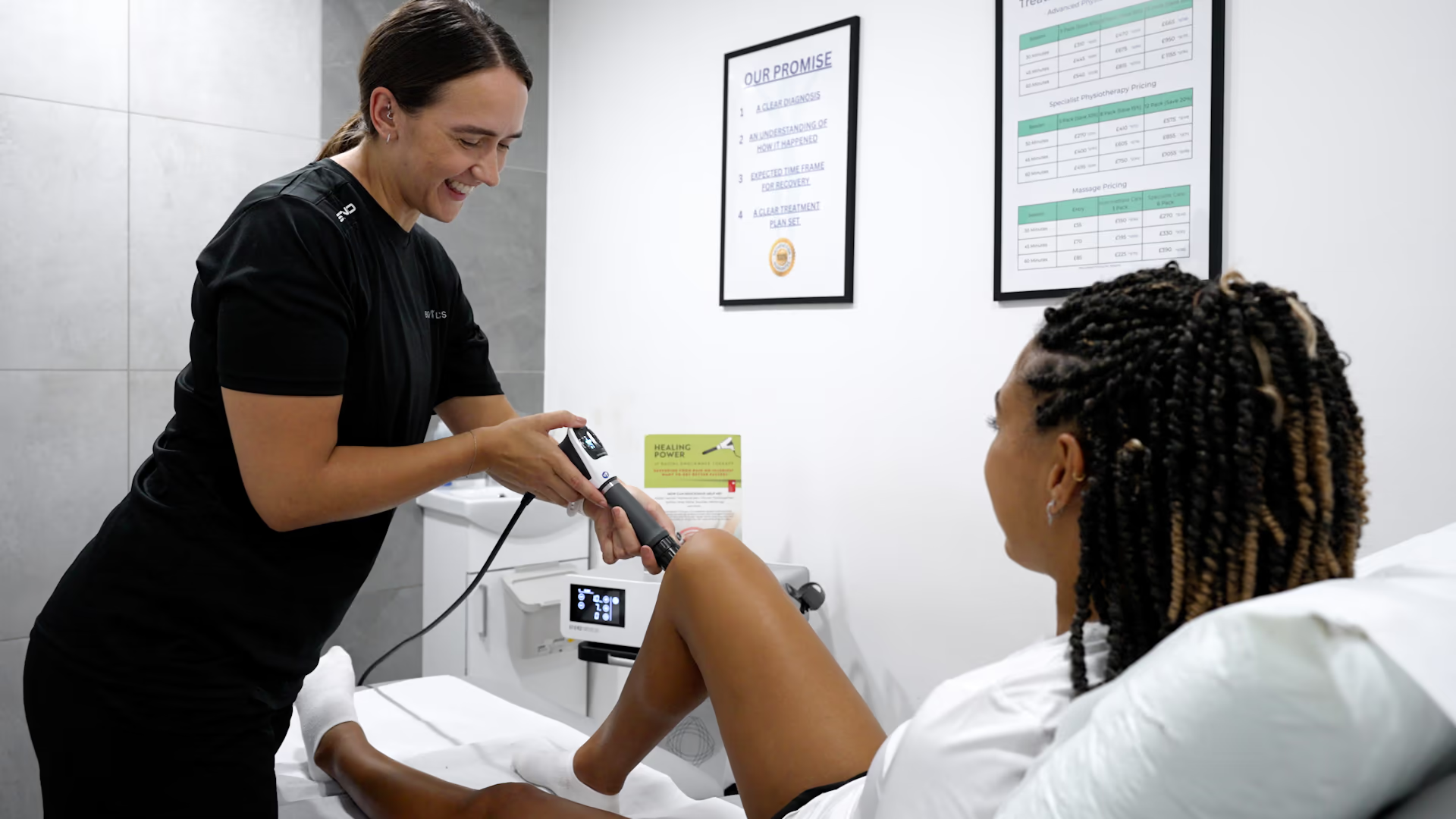
Shockwave Therapy uses controlled acoustic energy waves delivered directly into injured tissue. These waves create a biological response that may help stimulate healing processes and encourage tissue regeneration.
Unlike injections or surgical procedures, Shockwave Therapy is completely non-invasive. Sessions are relatively quick and patients can usually continue with normal daily activities afterwards.
At Bodylogics, Shockwave Therapy is always used as part of a broader rehabilitation strategy rather than as a standalone solution.
Chronic tendon injuries often become trapped in a cycle where healing slows or becomes ineffective. Shockwave Therapy aims to stimulate biological activity within the affected tissue and encourage the body to restart repair. Research suggests it may help:
Shockwave Therapy is commonly used for a range of chronic musculoskeletal conditions.
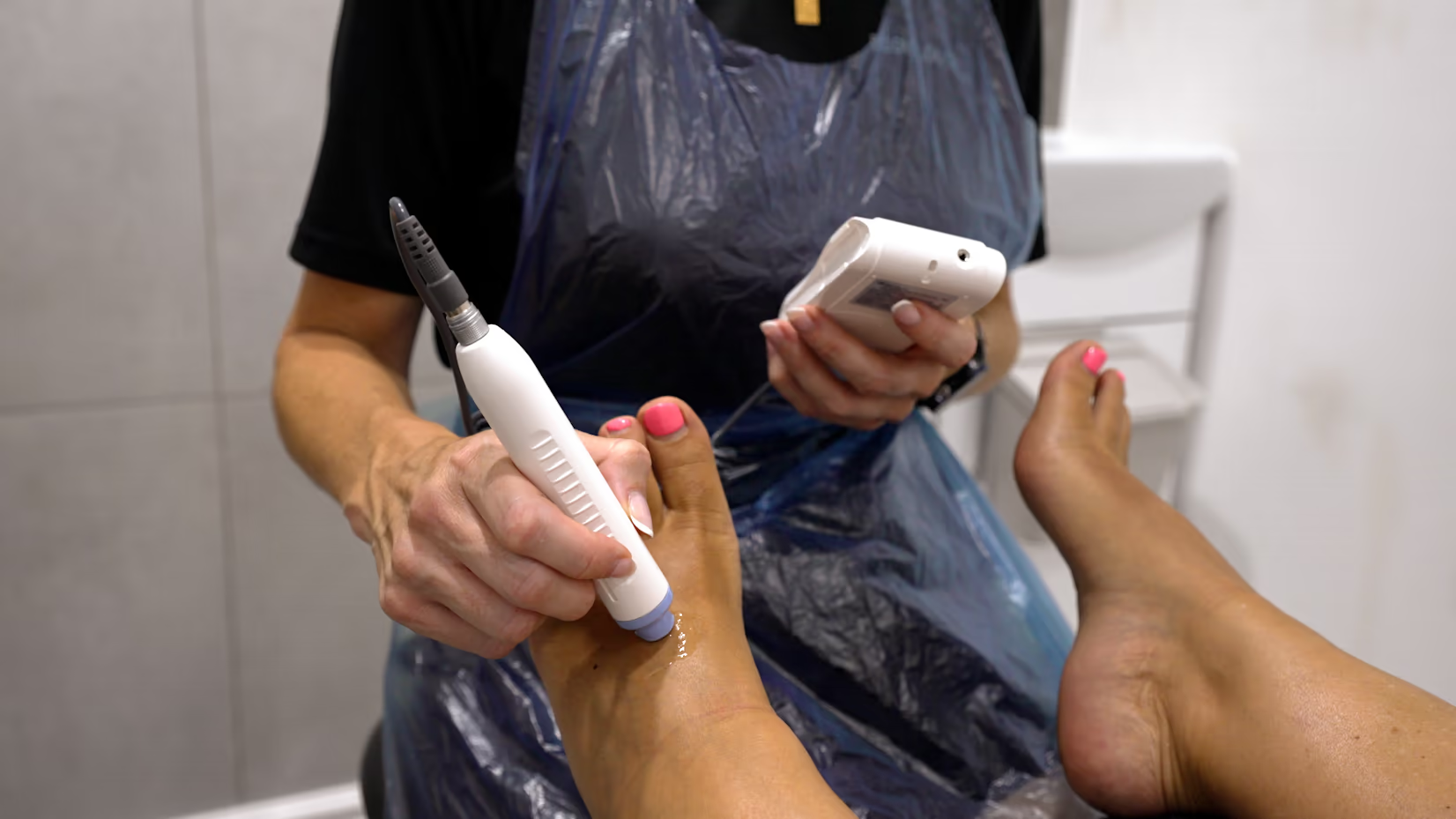
Persistent heel pain that affects walking and exercise, often treated when symptoms have not responded to traditional approaches.
Achilles tendon pain, particularly frustrating for runners, supported alongside a structured rehabilitation programme.
Stubborn pain around the outer elbow, considered when symptoms have been present for an extended period.
Medial elbow pain that often responds well to a combination of rehabilitation and Shockwave Therapy.
Knee tendon pain affecting active individuals, interfering with sport, exercise and daily movement.
Persistent shoulder pain impacting sleep, work and exercise, treated as part of a wider plan to restore function.
Pain around the outer hip affecting walking, running and sleep, increasingly treated alongside rehabilitation exercises.
We do not believe there is a single treatment that fixes every problem. Our clinicians assess every patient individually and recommend Shockwave Therapy only when it is clinically appropriate, as an evidence-informed option for persistent symptoms that have failed to improve as expected.
Most importantly, it is integrated into a wider rehabilitation strategy rather than offered as a quick fix. Our goal is not simply to reduce pain, it is to help you return to the activities that matter most to you.
We confirm the diagnosis, understand the history of your symptoms and determine whether Shockwave Therapy is likely to be appropriate.
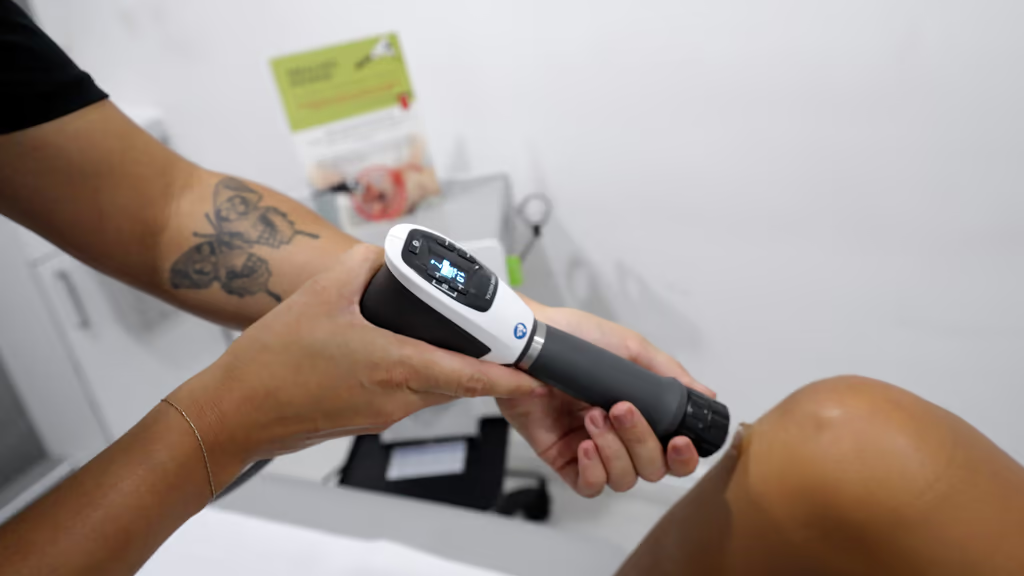
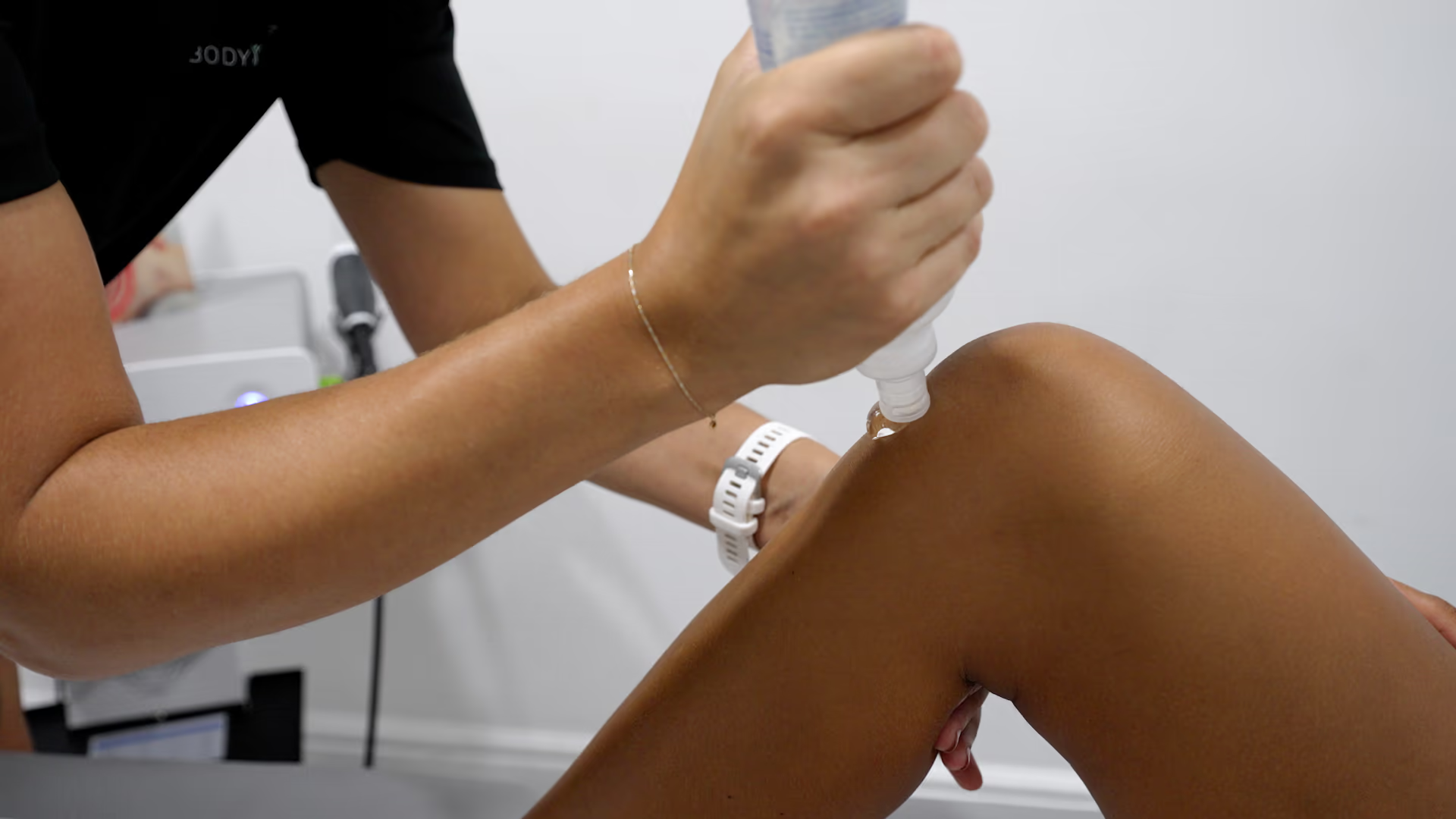
If recommended, acoustic waves are delivered directly to the affected area using a handheld device. Most sessions take around 30 minutes.
A course typically involves multiple sessions alongside a structured rehabilitation programme, with clear guidance on expectations and recovery timelines.
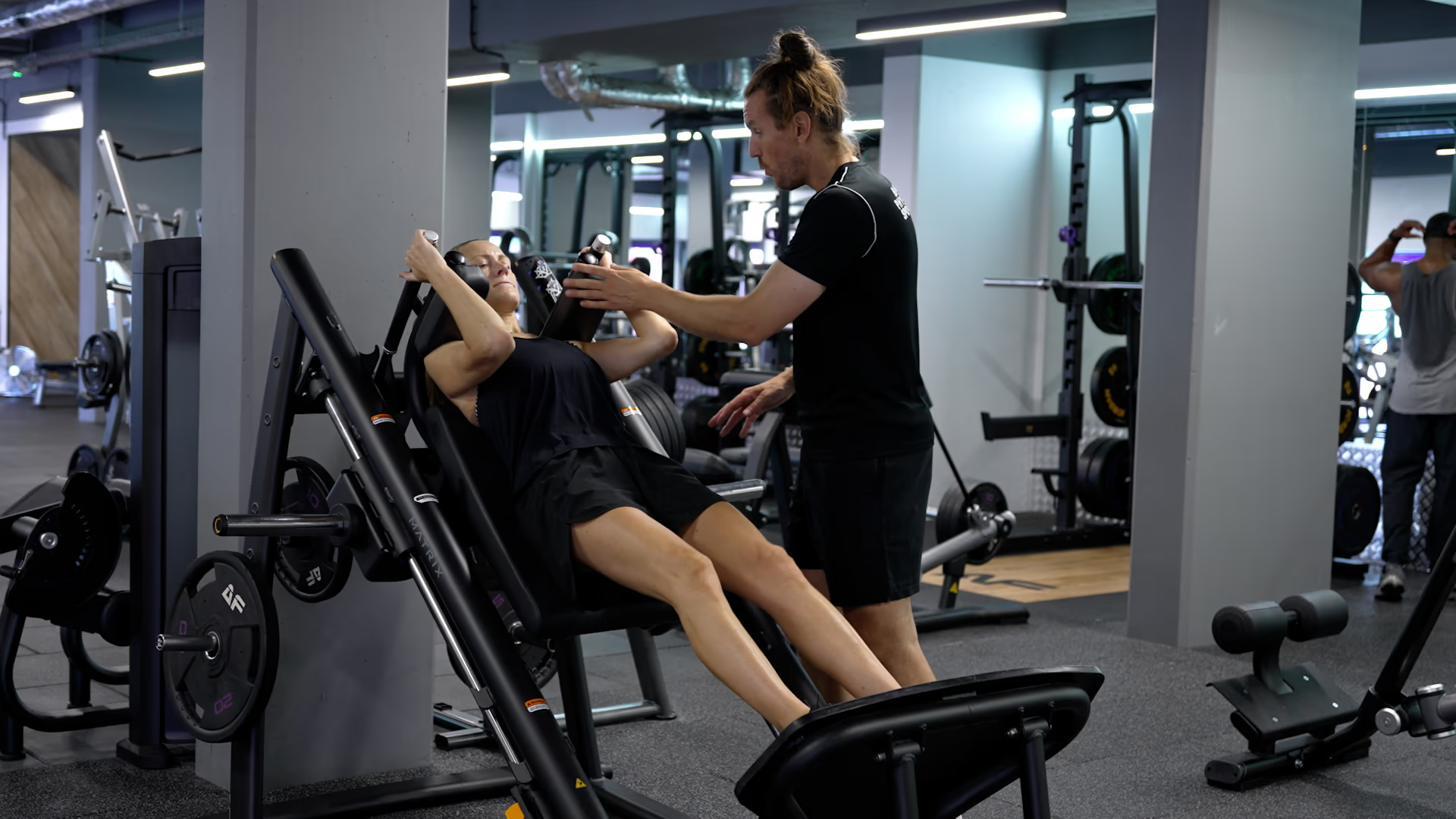
Shockwave Therapy is rarely used in isolation. For most patients, the best outcomes occur when treatment is combined with:
Some patients experience mild discomfort during treatment, particularly around sensitive tendon areas. Your clinician will adjust treatment settings to ensure the session remains manageable.
Most treatment plans range from 3–5 sessions, although recommendations vary depending on the condition and individual response.
For some patients, Shockwave Therapy may provide an alternative treatment option before considering more invasive interventions. Your clinician will discuss what is appropriate for your situation.
No. Most patients can book directly without a referral.
No. Shockwave Therapy is designed for specific conditions and is not appropriate for all injuries. Assessment is essential before treatment begins.
If persistent tendon pain is preventing you from doing the things you enjoy, Shockwave Therapy may be an option worth exploring. Our team will assess your condition, explain your treatment options and create a personalised recovery plan designed around your goals.
Take the next step towards overcoming long-standing pain and returning to the activities you love.