

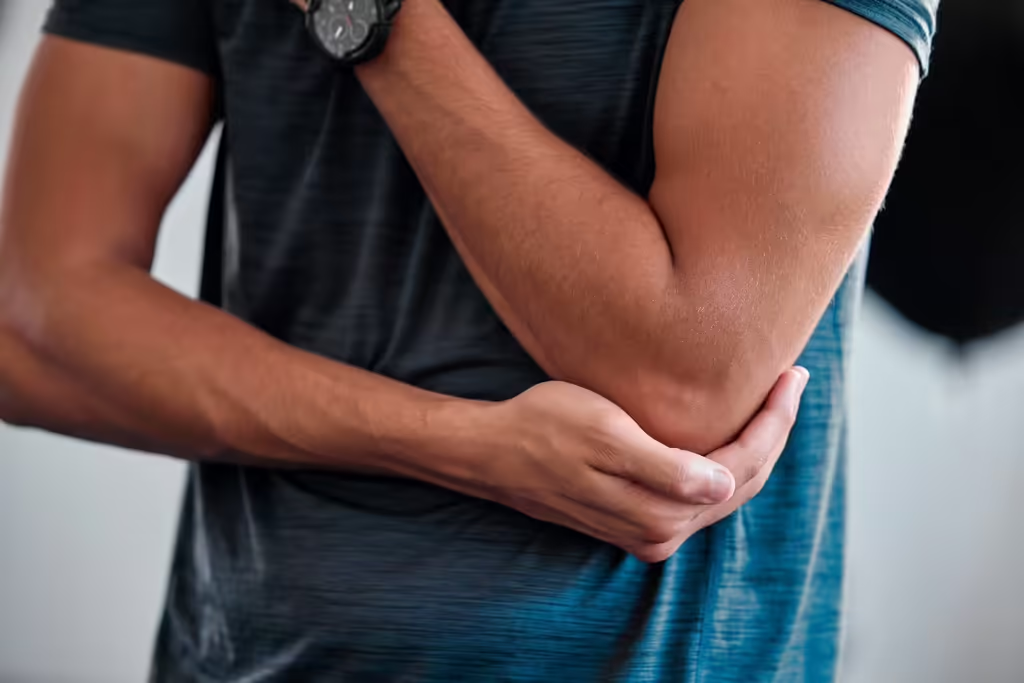
Golfer’s Elbow & Tennis Elbow Treatment in North London
Clinics in Barnet, Whetstone, Colindale & Winchmore Hill.
Book an AppointmentExpert Care for Golfer’s & Tennis Elbow
Despite their names, golfer’s elbow and tennis elbow affect far more than sportspeople. They are among the most common causes of elbow pain we see, often developing in people whose work or hobbies involve repeated gripping, lifting or wrist movement. Our specialist physiotherapists assess and treat both conditions across our four North London clinics.
The encouraging news is that these problems usually settle well with the right care and rarely point to anything serious. Our hands-on approach is designed to relieve your pain, restore your grip and movement, and give you the confidence to return to the activities you enjoy.
Satisfaction Guarantee
If you are not happy after your first appointment, you are welcome to see another member of our team, completely free of charge.






Trusted by Patients Across North London

Understanding Golfer’s & Tennis Elbow
Both conditions involve the tendons that attach your forearm muscles to the bony points of the elbow. They are forms of tendinopathy, meaning the tendon becomes irritated and painful, usually through repeated or unaccustomed loading rather than a single injury. The two conditions are closely related but affect different sides of the elbow.
Tennis elbow, known clinically as lateral epicondylalgia, affects the outer side of the elbow and the muscles that straighten the wrist and fingers. Golfer’s elbow, or medial epicondylalgia, affects the inner side of the elbow and the muscles that bend the wrist and grip. It is entirely possible to develop either without ever picking up a racquet or club.
Common Triggers
These conditions can appear gradually or after a change in activity. Common triggers we see include:
- Repetitive gripping, twisting or lifting at work or home
- A sudden increase in racquet sport, throwing or golf
- Prolonged computer, mouse or manual tool use
- Trades and manual work involving repeated wrist and forearm movement
- Starting a new activity or heavier load than the arm was ready for
How to Tell Them Apart
The two conditions share the same underlying nature but tend to produce pain in different places:
- Tennis elbow: pain on the outer elbow, often worse when gripping, lifting or straightening the wrist
- Golfer’s elbow: pain on the inner elbow, often worse when gripping, lifting or bending the wrist
- Both: tenderness over the affected bony point, a weaker or painful grip, and discomfort that can spread into the forearm
When to Seek Help
Most elbow tendon pain can be managed well, but certain signs mean it is worth being assessed promptly. These include:
- Pain that is severe, persistent or steadily worsening
- A grip that feels notably weaker or keeps giving way
- Numbness, tingling or pins and needles in the hand or fingers
- Elbow pain following a significant fall or injury
- Pain that disturbs your sleep or is not improving over time
How We Treat Golfer’s & Tennis Elbow
Our first step is a careful assessment to confirm which condition you have, identify the activities that are loading the tendon and screen for the rare signs that would need further attention. This allows us to reassure you where appropriate and to build a treatment plan around your specific situation.
Hands-on therapy can ease your symptoms and improve movement, while a graded, tendon-loading exercise programme is the cornerstone of lasting recovery. Because these are loading problems, the right exercises done at the right pace are what rebuild the strength and resilience of the tendon, and we guide you through every stage.
We place great importance on explanation and reassurance, because understanding why your elbow pain has developed is itself part of the treatment. By adjusting the activities and habits that contributed to the problem, we help you not only recover but also reduce the likelihood of it returning.
Your Care May Include
- Assessment to confirm the diagnosis
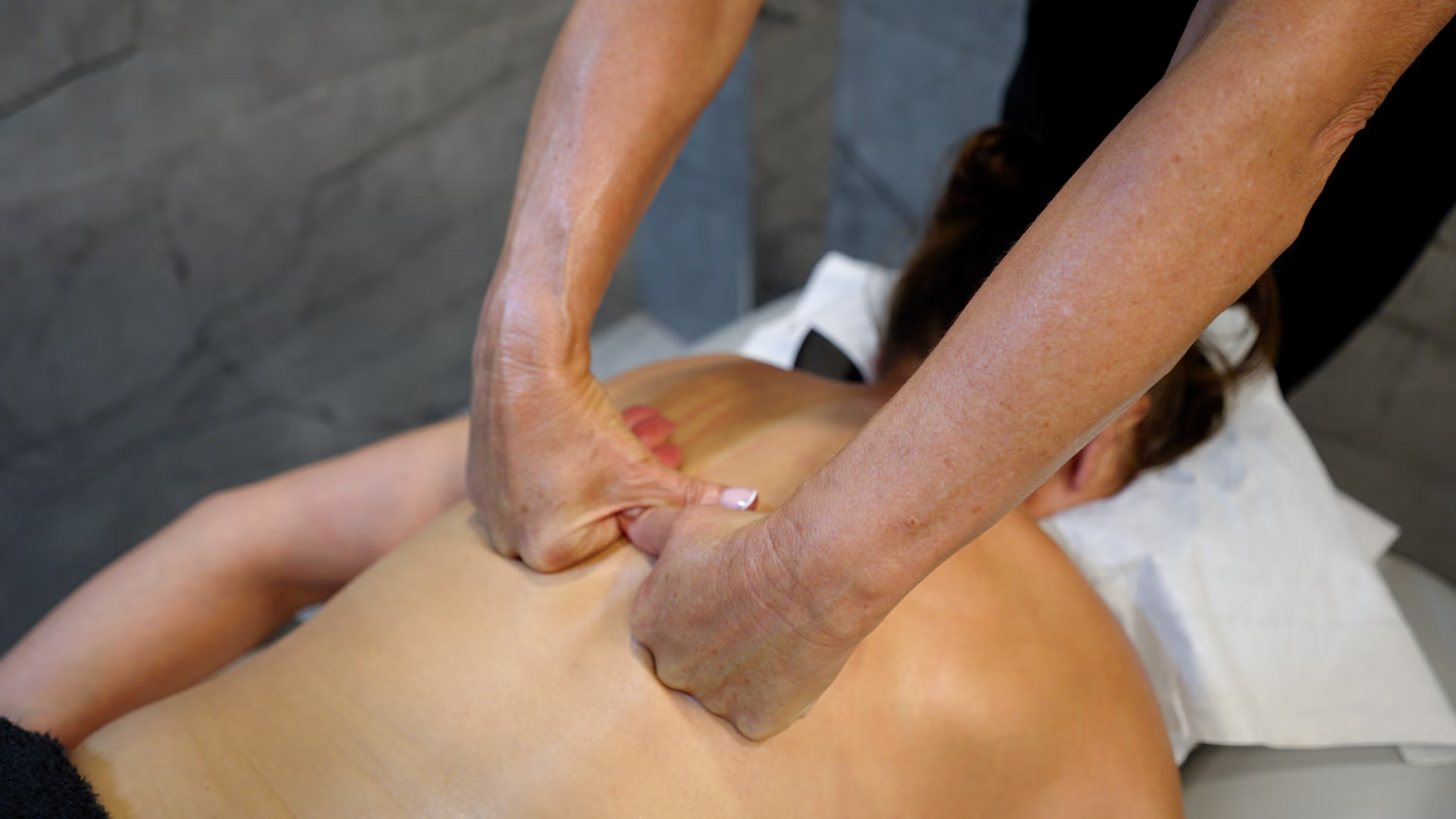
- Hands-on manual therapy
- Graded tendon-loading programme
- Grip & forearm strengthening
- Activity & load-management advice
- Onward referral where genuinely needed
The Bodylogics Promise
Every initial session is built around our four-point promise, so you know exactly where you stand.
- 01
Diagnosis
A clear diagnosis of what is causing your pain and weakness
- 02
Explanation
An explanation of how and why the problem has developed
- 03
Time Frame
A realistic time frame for your recovery
- 04
Plan
A treatment plan designed around you and your goals
Why North London Chooses Bodylogics
Established in 2009, Bodylogics has grown into a trusted name for physiotherapy and rehabilitation across North London, supported by more than a thousand five-star Google reviews. Our team holds professional registration with the HCPC and the Chartered Society of Physiotherapy, and we publish our clinicians’ credentials openly, so you always know who is treating you.
- Established 2009
- 1,000+ 5★ Google reviews
- HCPC & CSP registered
- 4 North London clinics
Golfer’s & Tennis Elbow Care Across North London
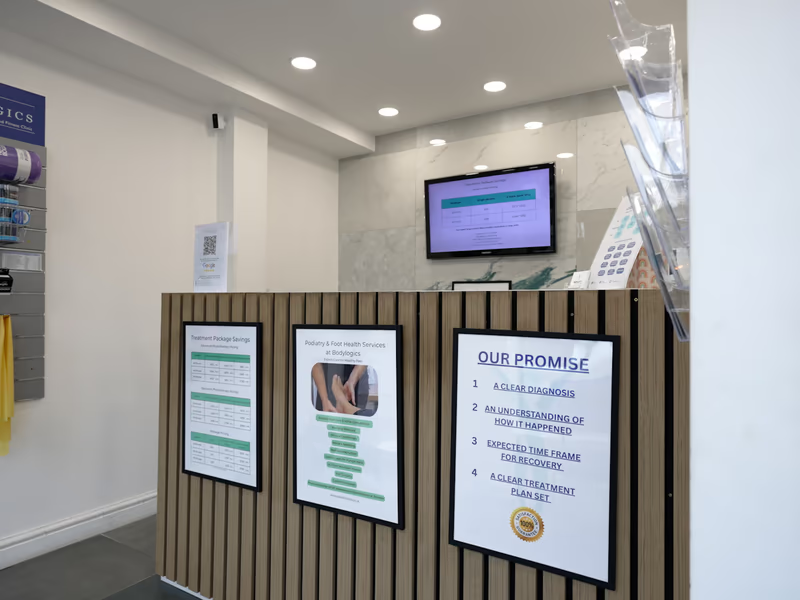
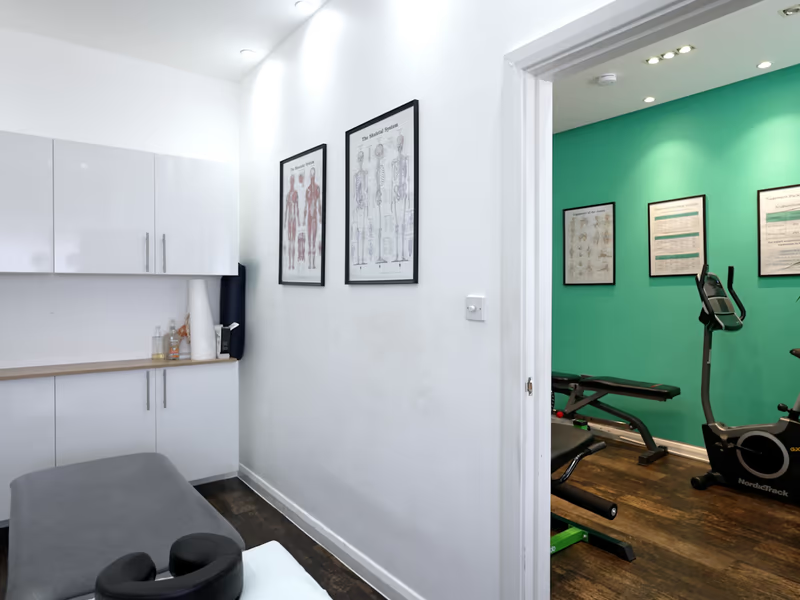
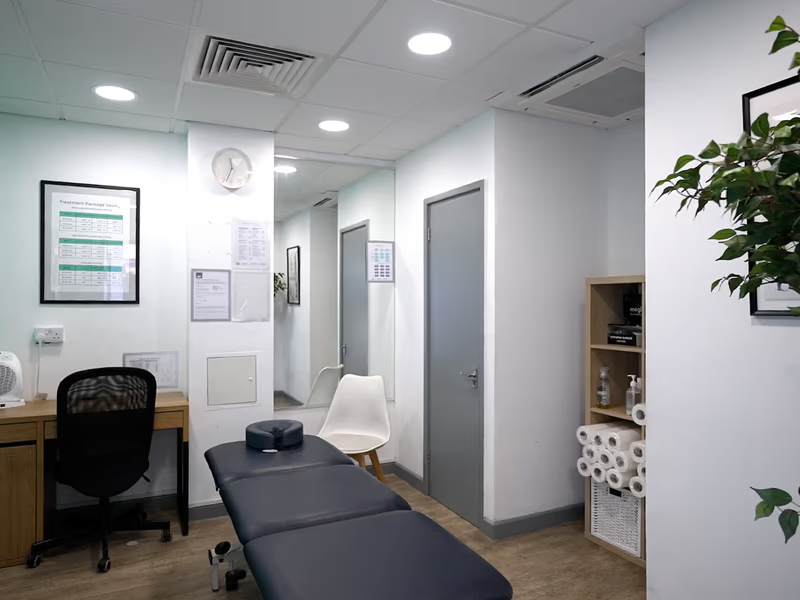
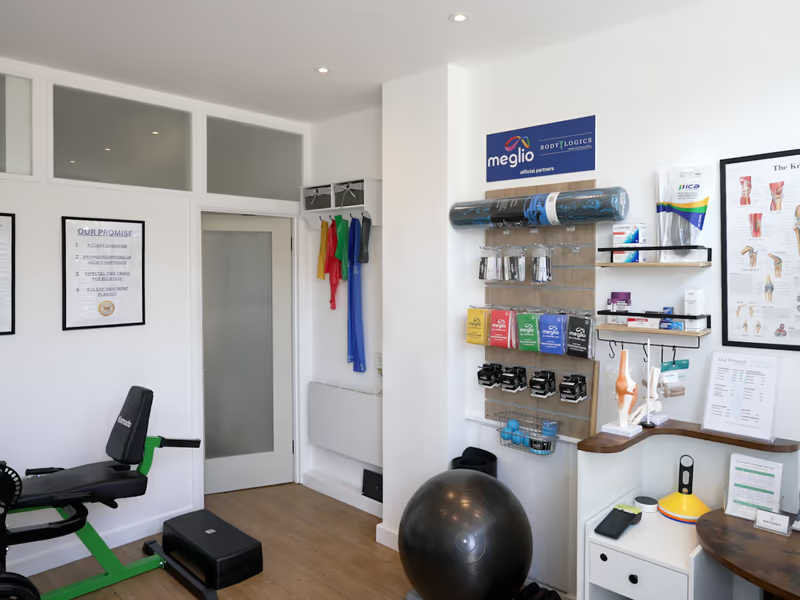
We treat golfer’s & tennis elbow at all four Bodylogics clinics, choose whichever is most convenient.
Related Treatments



More Upper Body Conditions
Shoulder, wrist and upper-limb conditions affecting movement, strength and everyday function.
Frequently Asked Questions
What Is the Difference Between Golfer’s Elbow and Tennis Elbow?
Both are tendon problems at the elbow, but they affect different sides. Tennis elbow causes pain on the outer elbow, while golfer’s elbow causes pain on the inner elbow. We confirm which one you have during your assessment and tailor your treatment accordingly.
Do I Have to Play Sport to Get These Conditions?
Not at all. Most people we treat develop these conditions through everyday activities such as gripping, lifting, manual work or repetitive computer use, rather than through sport. The names are historical and can be a little misleading.
Should I Rest or Stay Active?
Complete rest is rarely the answer, as it can leave the tendon weak and slow to recover. We will guide you on how to adjust your activity and load the tendon safely, which is what helps it heal and become more resilient.
Do I Need a Scan or Injection?
For most cases, neither is needed. These conditions typically respond well to a structured exercise and rehabilitation programme. We will advise you if a scan or onward referral would genuinely be helpful in your case and liaise with your GP where appropriate.
Do I Need a Referral to Be Seen?
No referral is needed to book with Bodylogics, and you can arrange an appointment directly at any of our four North London clinics. If you intend to use private health insurance, your provider may request a referral first, so it is sensible to confirm with them beforehand.
Which Bodylogics Clinic Should I Visit?
We treat golfer’s elbow and tennis elbow at all four of our North London clinics in Barnet, Whetstone, Winchmore Hill and Colindale. Let us know which is easiest to reach and we will arrange everything for you.
Book Your Appointment in North London
You do not have to put up with the problem or simply hope it settles by itself. The sooner you are assessed, the sooner we can help you understand what is happening and start your recovery.
Book at your nearest clinic in Barnet, Whetstone, Winchmore Hill or Colindale, and let us help you move comfortably again.