Joint Pain
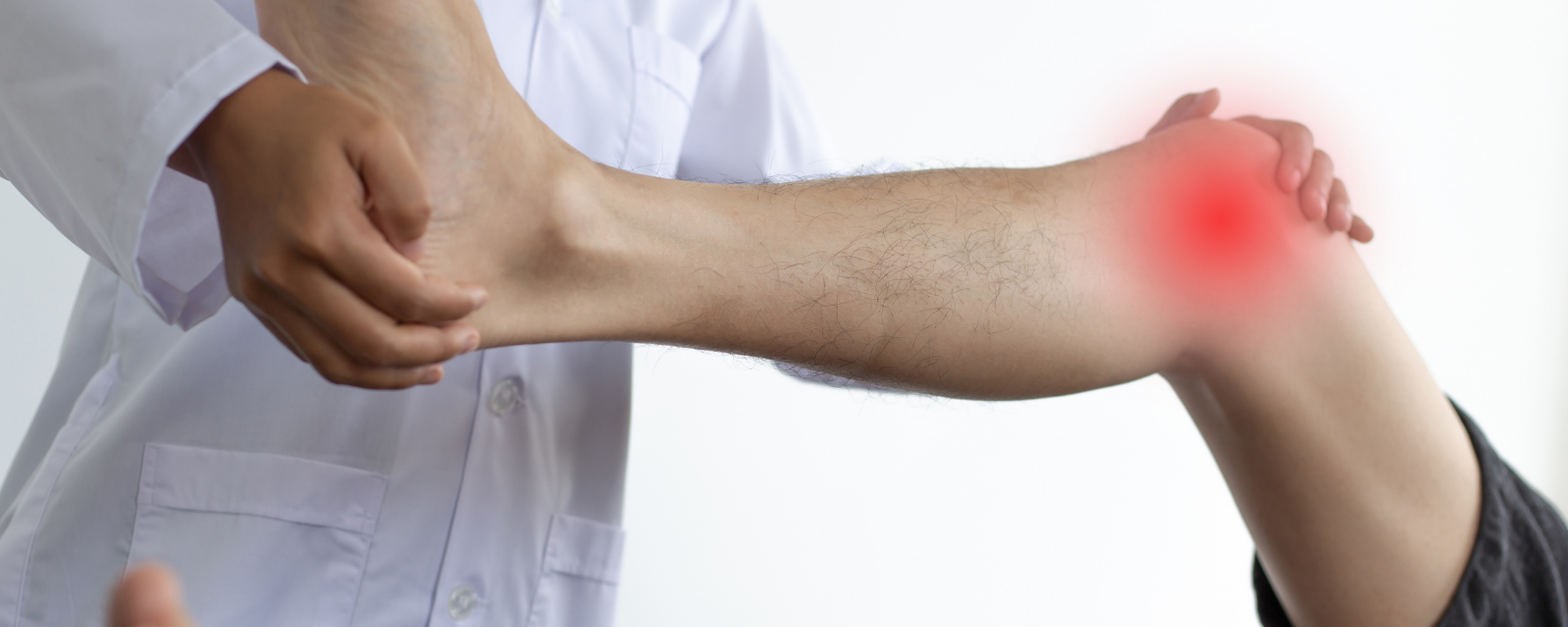
Joint pain is a very common occurrence and can be caused by a wide range of factors. One of the things we often see here at Bodylogics is joint pain caused by Osteoarthritis. This is usually created by a biological change to the joint area.
Contrary to popular belief though, Osteoarthritis is not necessarily caused by ‘bone on bone’ situations. Whilst X-Ray and imaging may show this, did you actually know that cartilage itself has no nerve endings? Therefore, the cartilage itself cannot create pain. Instead, changes to the synovial membrane that encases the joint becomes inflamed and it is this which creates the pain we sometimes feel.
Our Approach to Care
Move
Restore
Revive
Why is it important to understand this?
That is a very good question. If we can understand what causes our pain and understand the reason behind it, the condition becomes much easier to treat and prognosis is much better. At Bodylogics we work tirelessly to ensure you as the patient have all the tools you need to succeed and that starts with ensuring you have a greater understanding of what is happening to your joint area.
What do we mean by a joint?
A joint is the part that forms the connection between two bones. Your elbow and knee are joints, for example. It is a very common site of pain and can be caused by a number of factors.
Joint pain can range from mild symptoms to excruciating pain. There sometimes is never any ‘reasoning’ to why the joints hurt either. We have good days and then we have bad days and this can be very frustrating. There is an answer though to your symptoms.
Things such as arthritis, bursitis or even muscle strains can cause joint pain. It is commonly associated with knee pain, elbow pain or shoulder pain. What is important to know though is that joint pain often has really good outcomes when a structured and robust conservative approach is undertaken.
How can Bodylogics help you?
One of the first things to establish is ‘what is causing your pain’? This is usually answered with a thorough patient assessment whereby a series of questions about its presentation are asked (such as ‘when is it most painful?’, ‘how long have you been experiencing this for’?) and a set of clinical assessments are carried out to establish its nature (for example, is it mechanical or inflammatory). Once this has been carried out, a clearer picture should emerge which will provide answers as to what the best form of approach is.
Some people visit us with MRI reports or X-Ray findings. We also have the ability to send you for MRI reports or CT scans when neccessary (the costs of which are not included in your fee). Whilst these can be useful, they do not always offer as the answers to what we are looking for. Our section on X-rays/MRI/CT scans will provide more detail on what we mean here.
Bodylogics is a proud partner of London Sports Orthopaedics;